$99 Emergency Exam (Includes X-rays & Diagnosis)
Visiting the dentist doesn’t always come with excitement, especially if you’re dealing with dental anxiety. Fortunately, sedation dentistry can make the experience more comfortable and stress-free. But how long does sedation last? If you’ve ever wondered about this, you’re not alone. Whether you’re getting a routine dental procedure or something more complex, understanding the duration of sedation is essential to know what to expect during and after your appointment. In this blog, we’ll break down everything you need to know.
What is Sedation Dentistry?
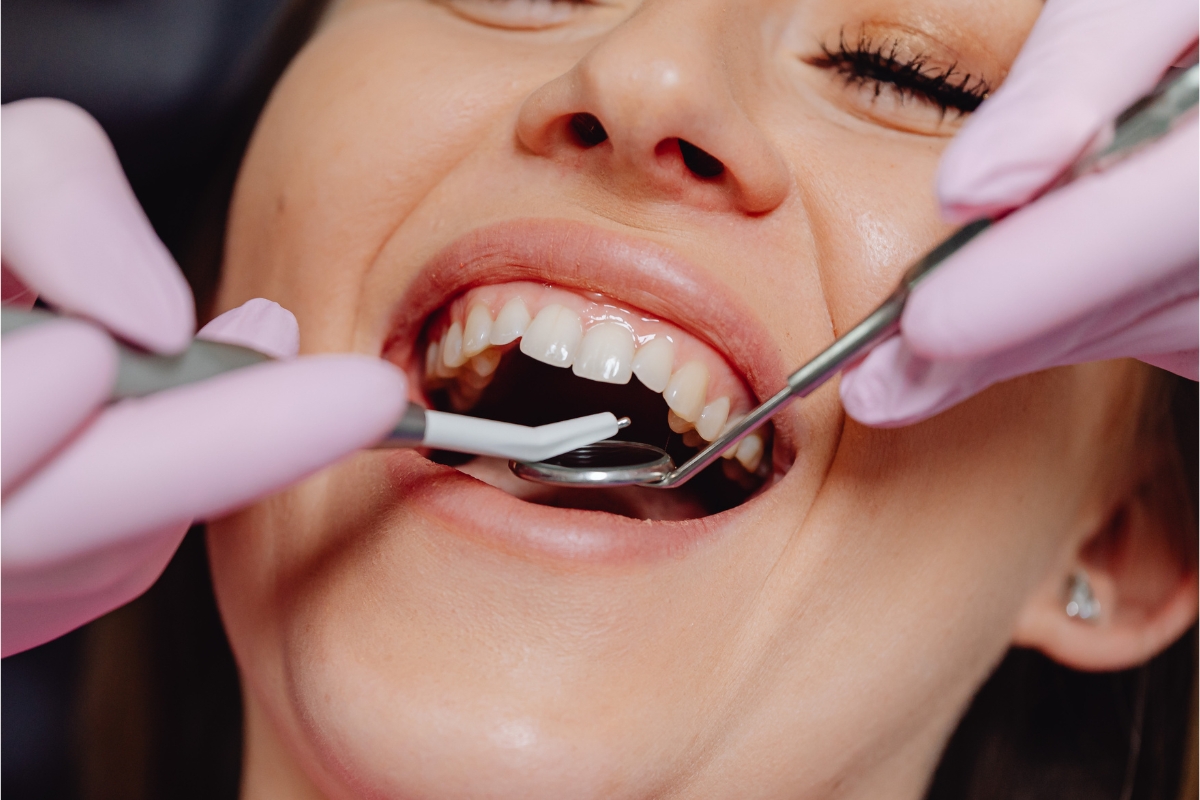
Sedation dentistry is a technique used to help patients relax during dental procedures. It can range from minimal sedation, where you’re awake but relaxed, to deep sedation, where you’re nearly unconscious. The goal is to ensure you remain comfortable, pain-free, and calm throughout your treatment.
How Long Does Sedation Dentistry Last?
The duration of sedation dentistry in Rockaway, NJ, depends on several factors, including the type of sedation used, the procedure performed, and your individual response to the sedative.
- Minimal Sedation: This involves taking a mild sedative, such as nitrous oxide (laughing gas), and typically wears off within a few minutes after the procedure is completed. You should be able to drive yourself home.
- Moderate Sedation: Often administered via oral medications or an IV, this type of sedation lasts longer. Most of the effects will wear off in a few hours, but you may still feel drowsy or foggy. It’s recommended to have someone drive you home after the appointment.
- Deep Sedation or General Anesthesia: This is usually reserved for more extensive dental procedures. You will likely feel groggy for several hours, and the effects may last well into the day. It’s essential to rest and avoid any strenuous activities until you’re fully alert.
What You Need to Know Before Your Appointment
Before your sedation appointment, it’s essential to follow your dentist’s guidelines. Here are a few tips:
- Eat or Don’t Eat? Depending on the type of sedation, your dentist may advise you to fast for a few hours before your appointment.
- Arrange Transportation: For moderate to deep sedation, you should plan to have someone drive you to and from your appointment.
- Post-Procedure Care: After sedation, avoid any activities that require focus or coordination until the effects wear off.
Sedation dentistry in Rockaway, NJ, can be a game-changer for those with dental anxiety. At Rockaway Dental Center, we offer a variety of sedation options to ensure your experience is as comfortable as possible. Our team will discuss the best option for you based on your medical history and the procedure you’re undergoing.
Conclusion: Relax and Let Us Handle the Rest
If you’re considering sedation dentistry in Rockaway, NJ, for your next dental visit, trust that you’re in good hands with Rockaway Dental Center. Our team is dedicated to providing you with a comfortable and stress-free dental experience. Book an appointment with us today and let us help you achieve the smile you’ve always wanted without the anxiety.
FAQs
1. How long does it take for nitrous oxide sedation to wear off?
Nitrous oxide usually wears off within a few minutes after the procedure.
2. Is it safe to drive after moderate sedation?
No, you should not drive after moderate sedation. Arrange for someone to drive you home.
3. Can I eat before my dental procedure with sedation?
You may need to fast for a few hours before your procedure, depending on the type of sedation used.
4. What is the most common type of sedation for dental procedures?
Nitrous oxide, or laughing gas, is the most common and provides a light level of sedation.
5. Does sedation dentistry make me unconscious?
Not necessarily. It depends on the type of sedation, ranging from mild relaxation to deep sleep.
6. How long will I feel drowsy after deep sedation?
After deep sedation, you may feel groggy for several hours, so it’s best to rest and avoid heavy activities.
7. What happens if I’m allergic to sedatives?
Always inform your dentist about any allergies before the procedure, and they can adjust your sedation plan accordingly.