$99 Emergency Exam (Includes X-rays & Diagnosis)
When it comes to replacing lost teeth, there are two highly preferred options: dental implants and traditional bridges. Both of these treatment procedures can easily address the aesthetic issues that arise when you lose your teeth. But selecting the most suitable one may be quite challenging. In this post, we will discuss the differences between traditional bridges and dental implants.
Understanding the advantages of dental implants and traditional bridges is essential before making an informed decision. Dental implants have been widely praised for their durability and ability to integrate well with human bone. Traditional bridges, on the other hand, are a quicker, non-surgical alternative. This blog guides you through a fair comparison of the two treatment types, so you can determine which one suits you best.
What Are Dental Implants?
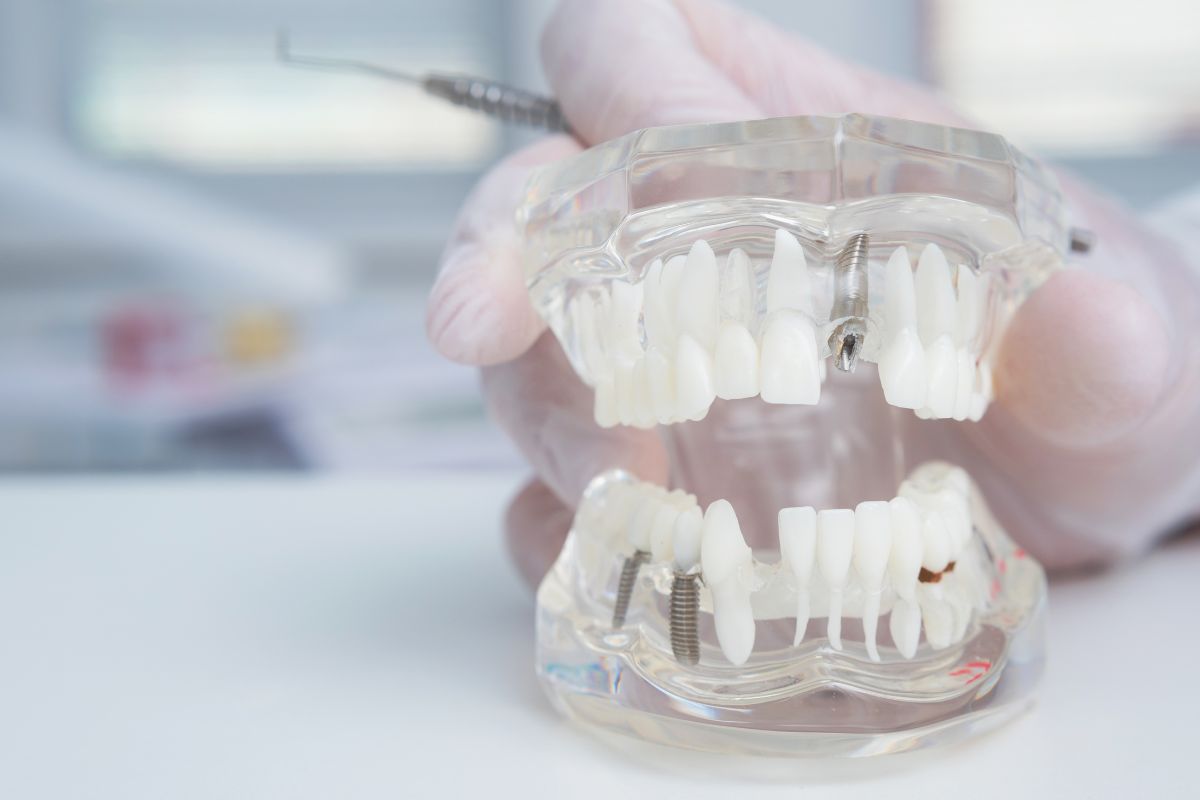
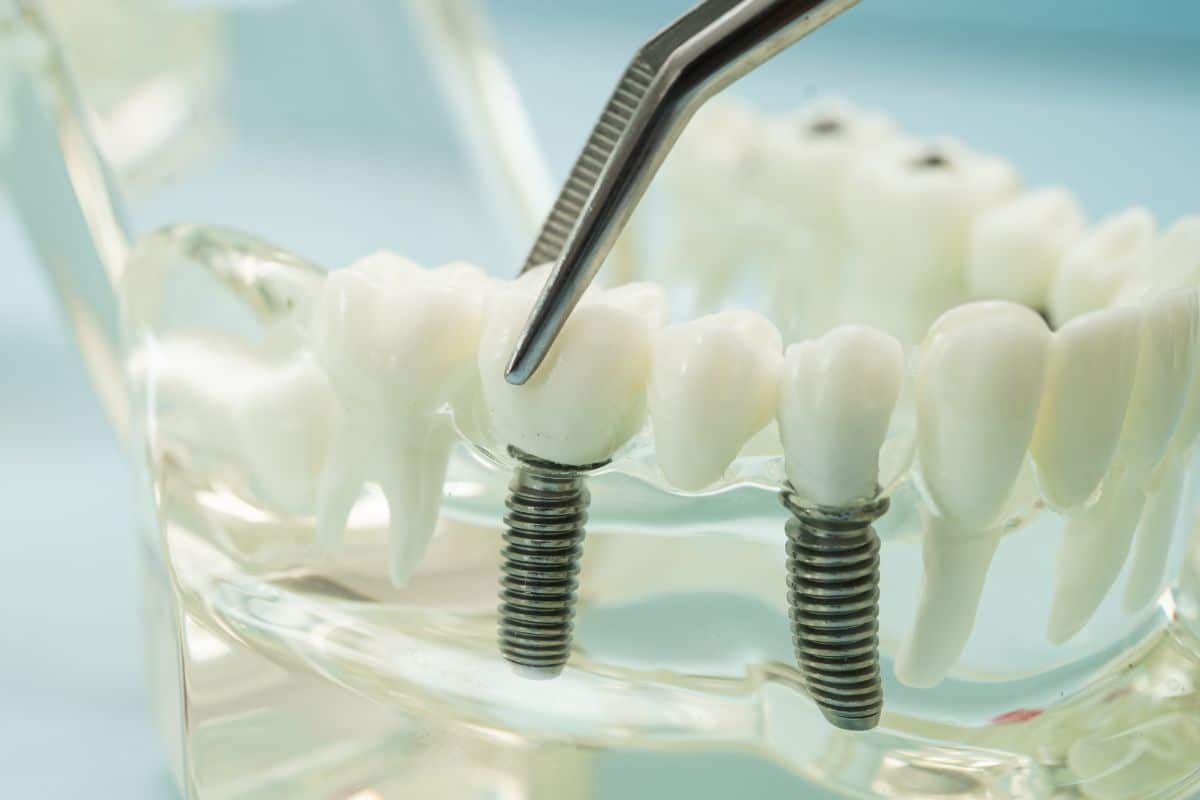
Dental implants are a groundbreaking solution for replacing lost teeth. They differ from regular dental bridges, which must be fixed to adjacent teeth. The implants are surgically embedded into the jawbone. This not only makes them a more fixed solution but also a permanent one.
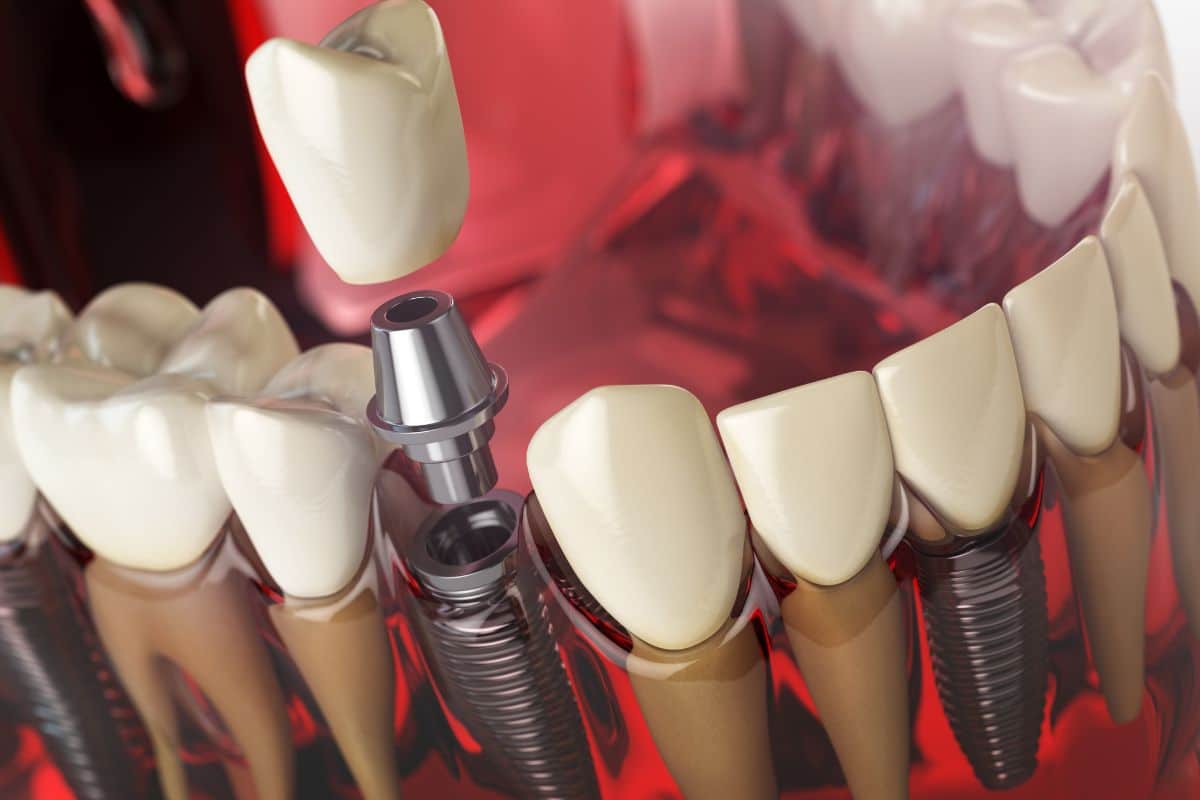
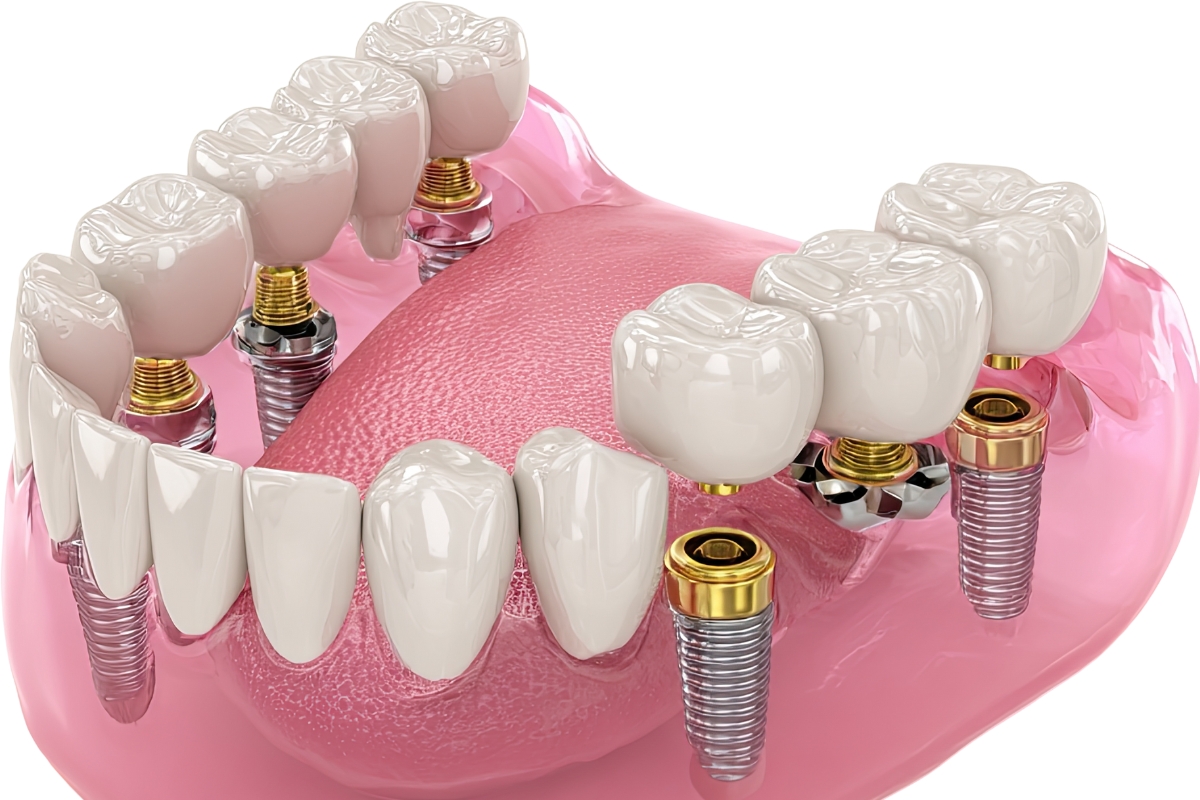
The procedure involves embedding a titanium root into the jawbone that fuses with the bone over time. After the root has fully healed, a dental crown is fixed on top to complete the dental implants in Rockaway, NJ. It not only ensures a beautiful smile but also prevents bone deterioration.
What Are Traditional Bridges?
Conventional dental bridges have long been used to replace missing teeth. The method requires the patient to have a dental bridge built that spans the area where the teeth are missing. The dental bridge is usually held in place by crowns on the teeth on either side of the missing teeth, which support the dental implant in the center.
Bridges are less invasive than dental implants, and can be fitted in a shorter time. However, they require some tooth adjustment to hold the crowns in place, which involves reshaping the tooth.
Advantages of Dental Implants Over Dental Bridges
Dental implants are distinctive in that they offer long-term benefits, most importantly in dental health and functionality. Here are some of the most valid points to consider in deciding whether dental implants are the best option for you:
- Durability: Implants will last you a lifetime, so dental implants can be considered an investment in your future oral health.
- Bone Preservation: It helps integrate with the jawbone, promotes bone growth, and prevents bone decay caused by lost teeth.
- Natural Appearance: The crowns used in implants have a natural look and feel, so your smile will look natural.
- No Damage to Adjacent Teeth: Unlike the traditional fixations, implants don’t require any work or modification in the adjoining natural teeth.
- Functional Advantages: Implants allow you to chew food normally so that you can enjoy your favorite foods.
Why Dental Implants Are Better for Long-Term Health?
Though conventional bridges work well for a short-term solution, dental implants have greater benefits. Implants are stronger, support the health of other teeth, and promote good oral hygiene because they prevent bone loss.
If you are looking for a long-term solution to improve your smile and oral health over the coming decades, you will surely agree with us that dental implants are the best option. Contact a reliable dental professional to see if you are a candidate for dental implants.
Making the Right Choice for Your Smile
The decision between dental implants and traditional bridges depends on your personal oral health needs. If you are seeking an oral health solution that functions and looks like your own teeth, then consider implants. If you are seeking an oral health solution that works faster, consider traditional bridges.
It is essential to seek professional guidance from a dentist when making an informed decision about your oral health. At Rockaway Dental Center, our team is committed to providing you with optimal oral care using the best available options. You can call us today and schedule an appointment to begin your path towards a healthy, happier smile.
FAQs
1. What is the difference between dental implants and traditional bridges?
Dental implants are permanent replacements for missing teeth, anchored directly into the jawbone. Traditional bridges rely on neighboring teeth for support and can be less durable over time.
2. Are dental implants better than bridges for long-term oral health?
Yes, dental implants are generally better for long-term oral health as they prevent bone loss, provide stability, and require less maintenance compared to bridges.
3. How long do dental implants last?
Dental implants can last a lifetime with proper care, making them a more durable option compared to traditional bridges, which typically last 10-15 years.
4. Can I get a dental implant if I have lost bone in my jaw?
In some cases, patients with bone loss may require a bone graft before dental implants can be placed. Your dentist will evaluate your situation to determine the best course of action.
5. How long does the dental implant procedure take?
The entire dental implant procedure typically takes several months to complete, including the healing process. However, the final results are worth the wait for a long-lasting solution.
6. Can I get a bridge instead of an implant if I have healthy neighboring teeth?
Yes, if your neighboring teeth are healthy, a traditional bridge may be a suitable option to replace a missing tooth. However, it may not be as durable as an implant.