$99 Emergency Exam (Includes X-rays & Diagnosis)
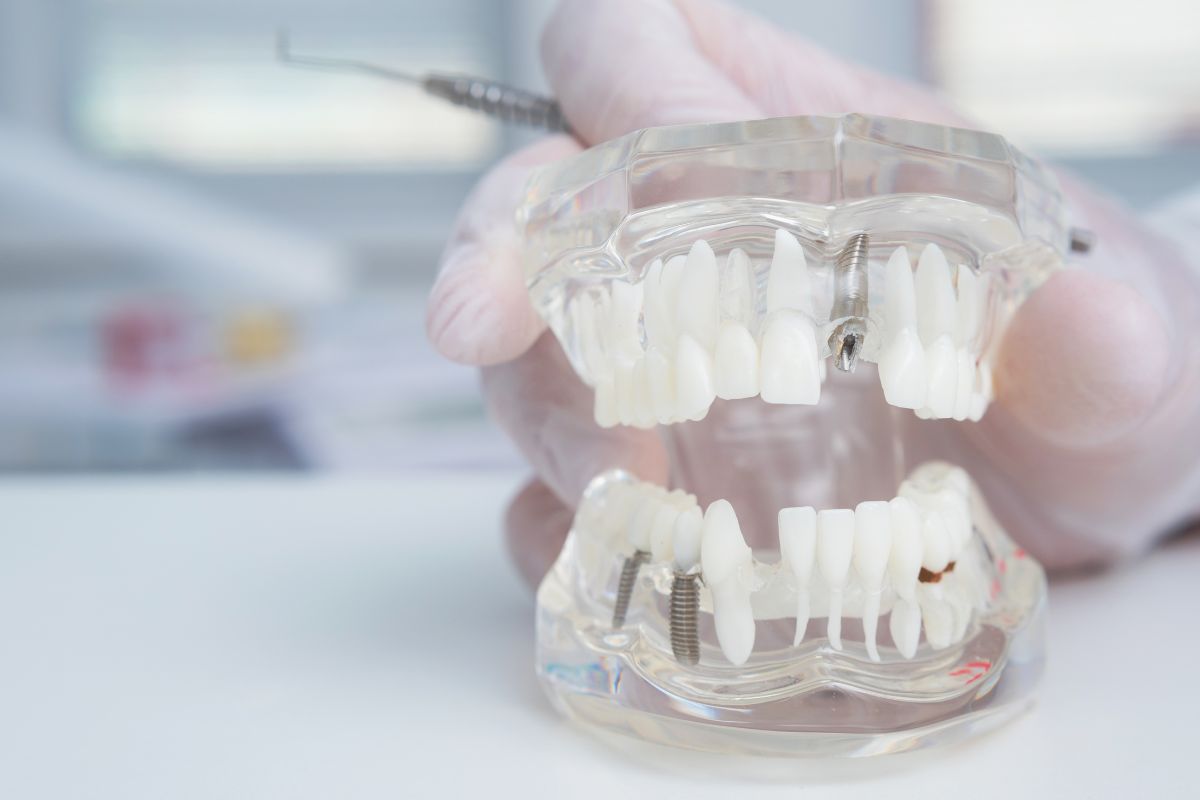
Losing most or all of your teeth changes more than just your smile. It affects how you eat, how you speak, and how you feel when you walk into a room. For a long time, full dentures were the only real option, and while they do the job, many people find them uncomfortable, inconvenient, and far from permanent. That’s exactly why All-On-4 implants have changed the conversation around full-arch tooth replacement. But the question most people arrive with is a practical one: Do I actually qualify?
The answer depends on several factors, and this guide walks you through all of them clearly and honestly.
What Makes All-On-4 Different From Traditional Implants
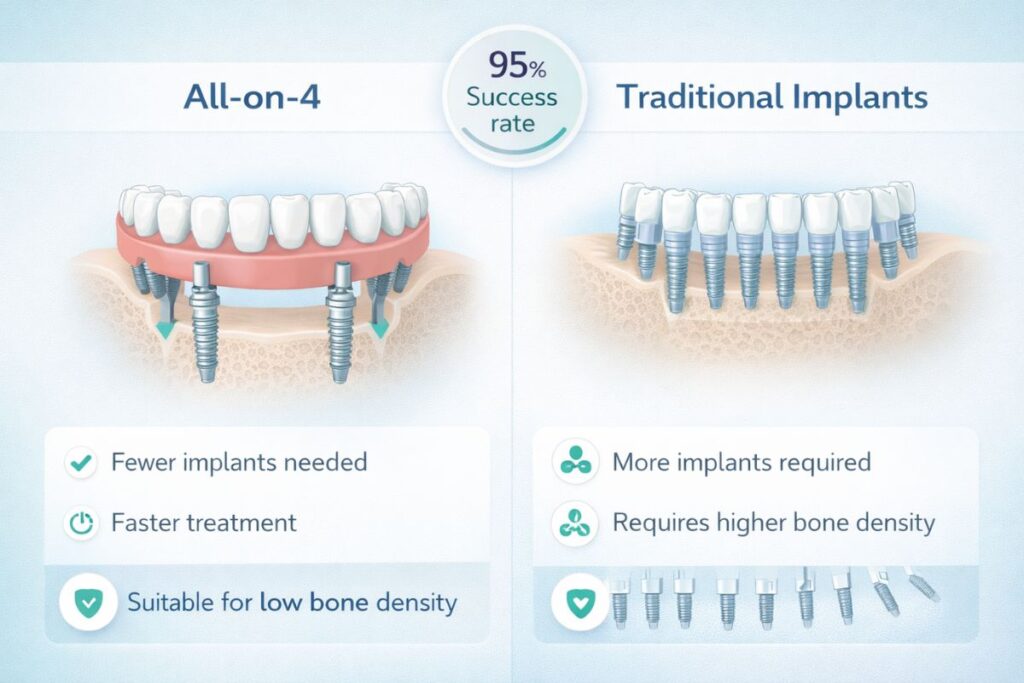
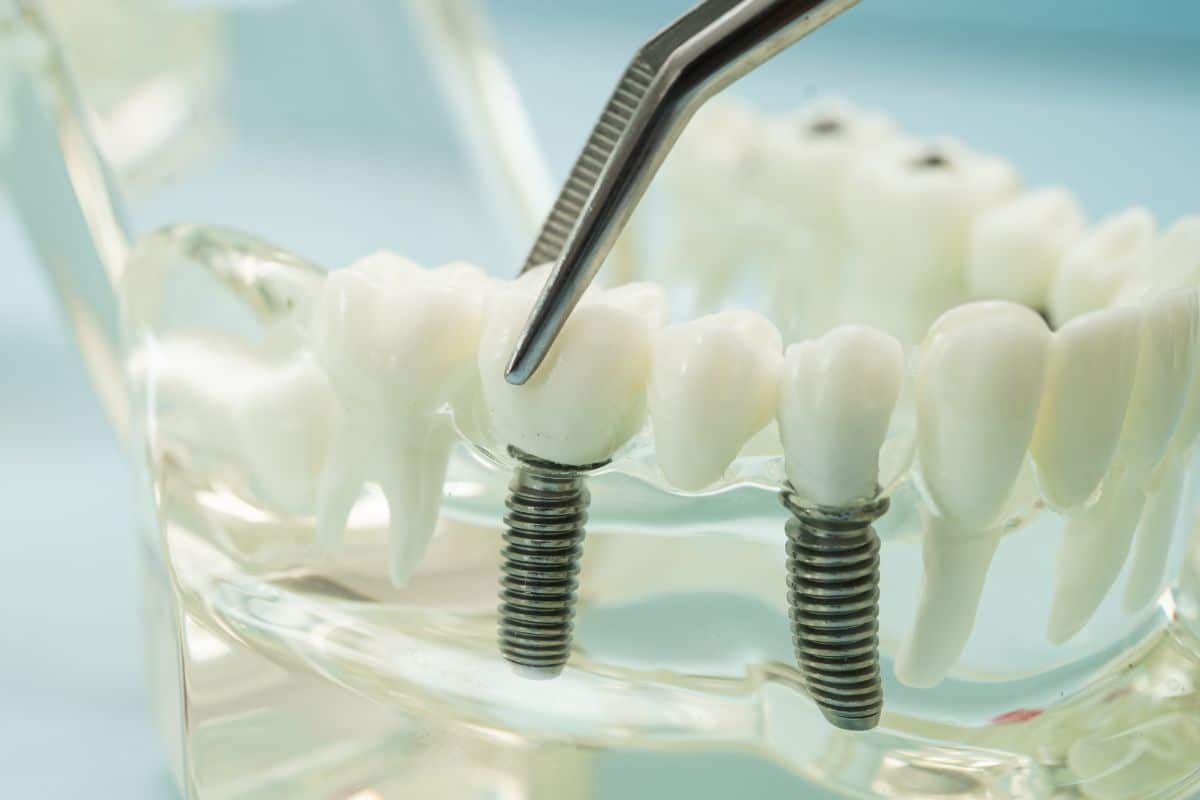
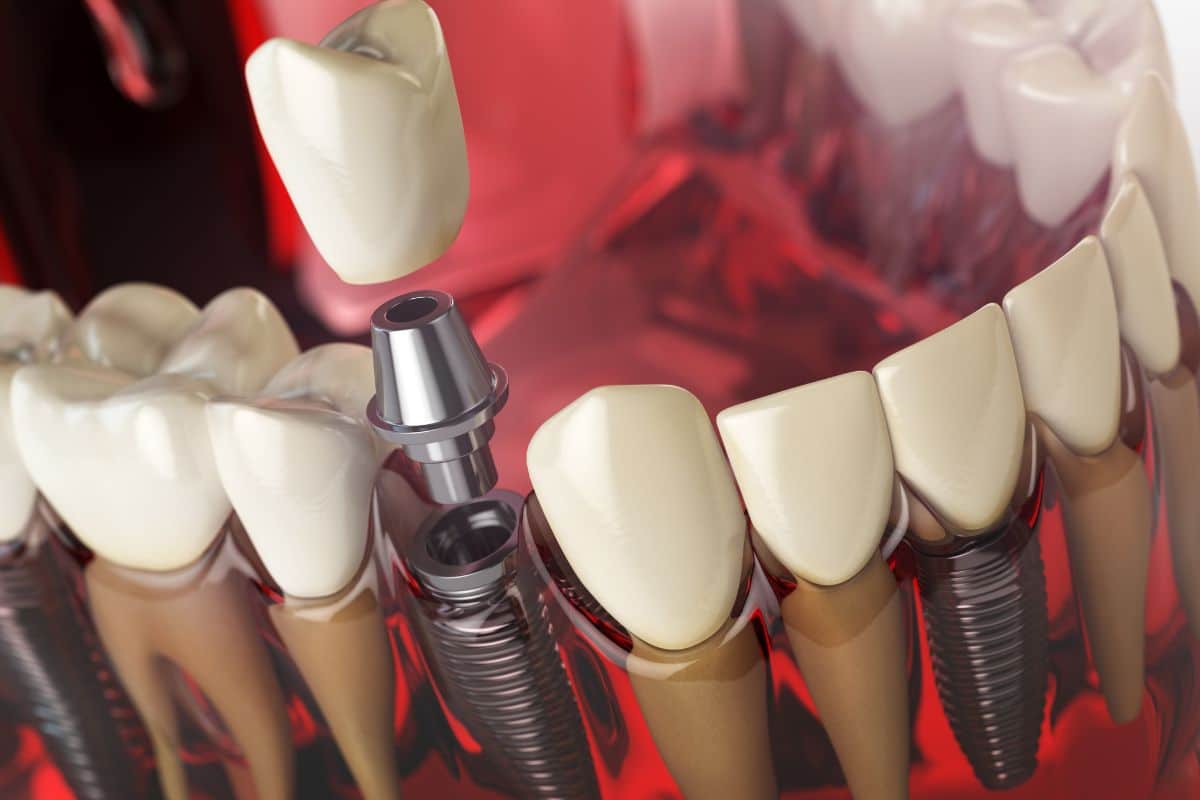
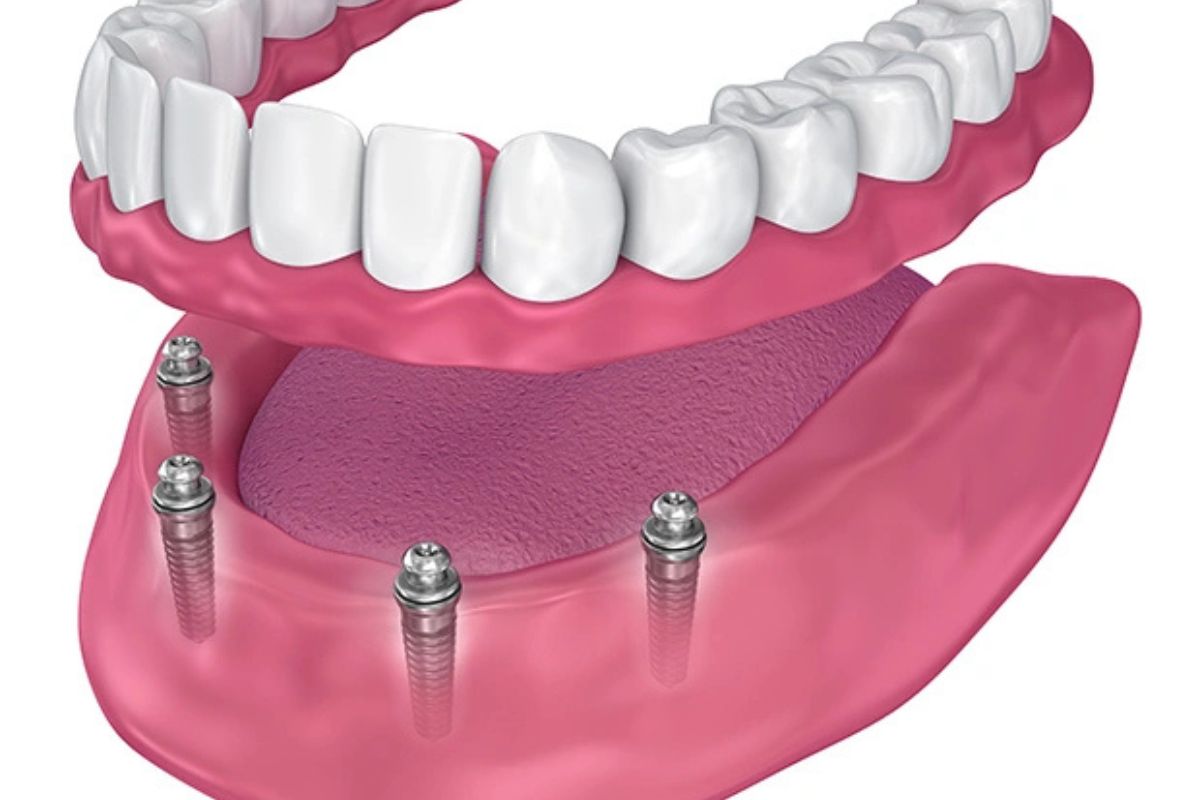
All-On-4 is a full-arch restoration technique that replaces an entire upper or lower set of teeth using just four strategically placed titanium implants. Two sit toward the front of the jaw, and two are angled at the back — a placement design that maximizes support even in areas where bone volume has decreased. That angulation is the key innovation. It allows many patients who would be turned down for traditional implants to qualify here.
For patients looking into All-On-4 implants in Rockaway, the evaluation process begins with a thorough clinical assessment — not a simple checklist. The goal is to build a complete picture of your oral and overall health so that treatment, if it proceeds, is planned with precision from the very first appointment.
Success rates for All-On-4 implants exceed 95% in most studies, which is a strong track record, but those outcomes depend heavily on proper evaluation of candidacy before surgery begins.
Who Tends to Be a Good Candidate
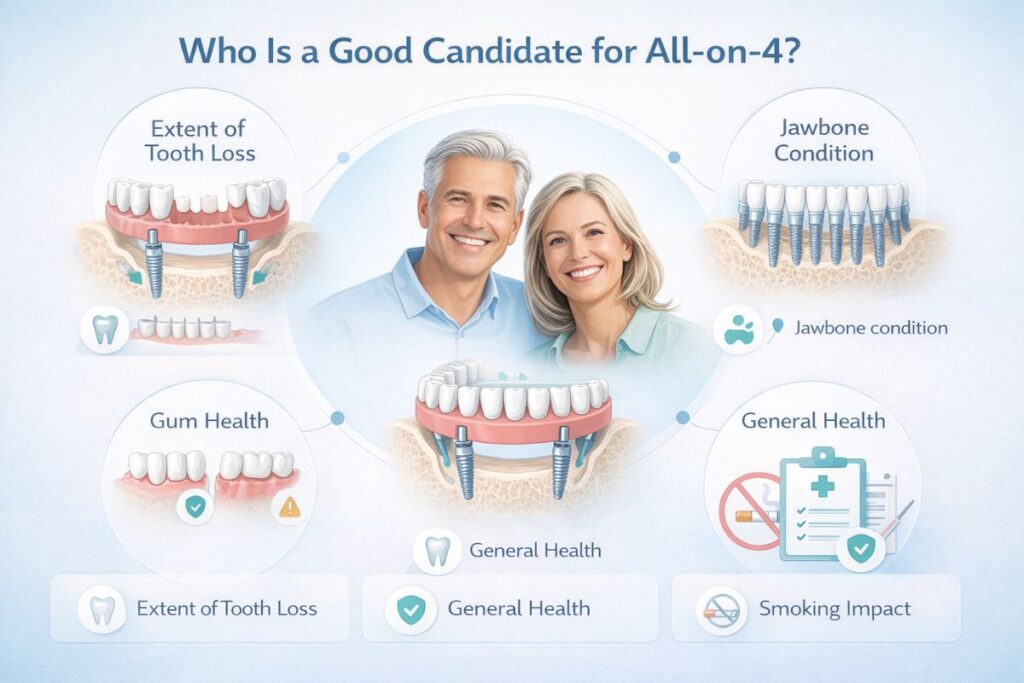
You don’t need perfect teeth or bone to qualify for All-On-4. The procedure was specifically designed to work in clinical situations where traditional implants fall short. That said, there are criteria your dentist will closely examine.
Extent of Tooth Loss
All-On-4 is designed for patients who are missing most or all of their teeth in one or both arches, or who have failing teeth beyond reasonable restoration. If you still have many healthy, functional teeth, individual implants or other targeted solutions are likely more appropriate. All-On-4 is a full-arch treatment — it replaces everything in that arch, not just a few gaps.
Jawbone Condition
Minimum bone requirements typically include at least 10mm of bone height in the anterior region of the jaw and approximately 5mm of bone width to stabilize the implants. The good news is that many patients who don’t qualify for traditional implants still qualify for All-On-4 because it uses areas with naturally stronger bone, where bone density tends to hold up better over time.
Even individuals with moderate bone loss may still be eligible for All-On-4 implants, thanks to the strategic angulation of the posterior implants.
Gum Health
Gum disease must be treated before placing implants. If the gums are inflamed, infected, or receding, a treatment plan to restore gum health comes first. This doesn’t disqualify you from All-On-4; it simply means that step has to come before implant surgery, not alongside it.
General Health
Medical conditions such as osteoporosis, diabetes, autoimmune diseases, and active chemotherapy treatment could make it more difficult to qualify for All-On-4, but “more difficult” doesn’t mean impossible. Many patients with well-controlled chronic conditions proceed successfully. Your dentist will review your full medical history and may consult with your physician before finalizing a treatment plan.
Smoking
Smoking affects osseointegration, making it harder for the implants to fuse firmly with the bone, and smokers are more likely to experience dry mouth conditions that allow harmful bacteria to thrive more easily. If you smoke, quitting before and during the healing period is strongly recommended and in some cases, required for implant surgery to have the best chance of long-term success.
What Happens at a Candidacy Evaluation
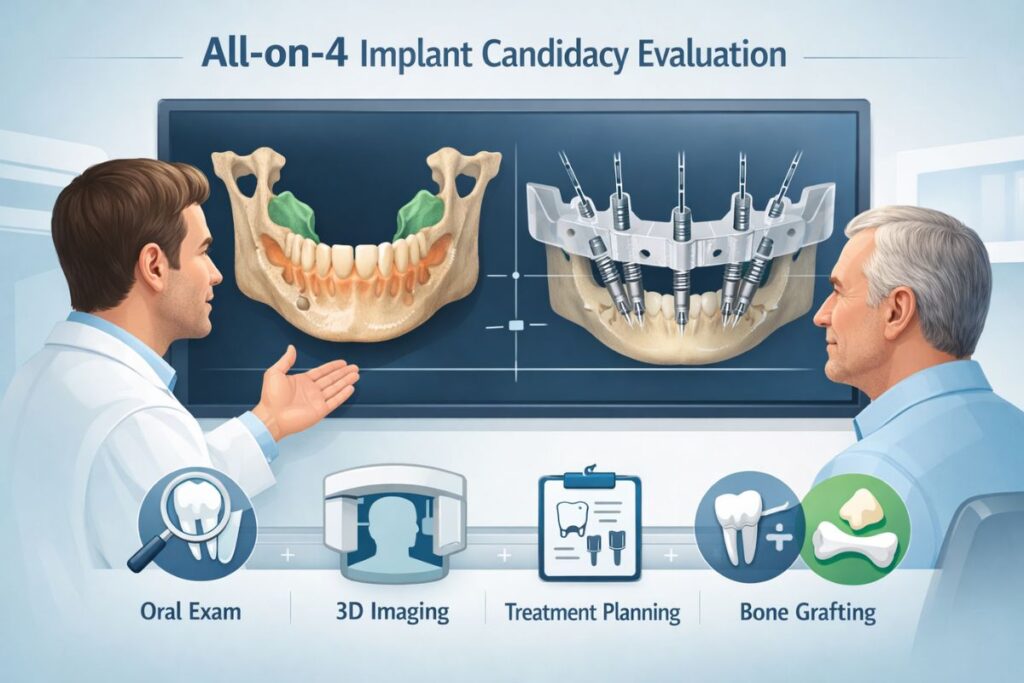
Walking into a consultation is not a commitment to treatment. It’s a fact-finding session, and a good one covers a lot of ground.
Your dentist will conduct a visual exam of your gums, remaining teeth, and bite, then take CBCT (cone-beam CT) imaging — a three-dimensional scan that shows bone height, width, and density with far greater precision than a standard X-ray. This evaluation allows the dentist to create a personalized treatment plan tailored to your specific needs, including assessment of bone density through CBCT scan to enable precise implant placement and optimal outcomes.
From there, if All-On-4 is appropriate for you, a detailed surgical guide is created that maps out exactly where each implant will go based on your specific jaw anatomy. Nothing is guesswork — every placement is planned before a single incision is made.
If bone volume is insufficient in certain areas, deficient regions can be augmented with bone grafting beforehand, which extends the treatment timeline but lays the foundation for long-term success.
Related Article: How Long Do All-On-Four Implants Last
Factors That May Complicate Candidacy
A few conditions require extra consideration without necessarily being disqualifying:
- Uncontrolled diabetes — when blood sugar is managed, many diabetic patients proceed successfully
- Bisphosphonate medications — used to treat osteoporosis, these can affect bone healing and need to be discussed with your care team
- Prior radiation to the jaw affects the blood supply and healing; it requires careful evaluation
- Heavy smoking — cessation before surgery significantly improves outcomes
- Younger patients — jaw development must be complete before implant placement is appropriate
Even if you were previously told you are not a candidate, you may still qualify — particularly with advances in technique and the specific design advantages that All-On-4 offers over conventional implant approaches.
Schedule a consultation at Rockaway Dental Center and get a clear, honest assessment of your candidacy.
People Also Ask
Can All-On-4 implants be placed the same day as extractions?
In many cases, yes. This is often referred to as “same-day teeth” or “Teeth in a Day.” If your evaluation shows sufficient bone and no active infection requiring extended healing, your dentist may be able to place the implants and attach a temporary prosthesis on the same day that the remaining teeth are extracted. Your final, permanent arch is placed after osseointegration is complete — usually several (3 to 6) months later.
How long does it take to fully recover from All-On-4 surgery?
Most patients experience the sharpest discomfort in the first three to five days following surgery, with swelling and sensitivity gradually improving through the first two weeks. A soft-food diet is standard during the initial healing phase. Full osseointegration, where the implants fuse completely with the jawbone, takes approximately three to six months, after which the permanent restoration is placed.
Is All-On-4 reversible if I change my mind later?
No. All-On-4 implants are a permanent, surgical solution. The titanium posts are placed in the jawbone and are designed to remain there long-term. This is why the candidacy evaluation and treatment planning process is so thorough — it’s meant to ensure you’re making a well-informed decision before moving forward.
What’s the difference between All-On-4 and implant-supported dentures?
Implant-supported dentures are often removable — they snap onto implants but can be taken out for cleaning. All-On-4 restorations are fixed, meaning they stay in your mouth permanently and function more like natural teeth. All-On-4 requires fewer implants than full traditional implant reconstruction and offers more immediate results for qualifying patients.
How do I maintain All-On-4 implants long-term?
Maintenance involves brushing twice daily with a soft-bristled toothbrush, using a water flosser or interdental brushes to clean under the arches, and attending professional cleanings at least twice a year — or more frequently if your dentist recommends it. Many patients experience benefits for 10 years or more when they adhere to proper oral hygiene and attend regular maintenance visits.