$99 Emergency Exam (Includes X-rays & Diagnosis)


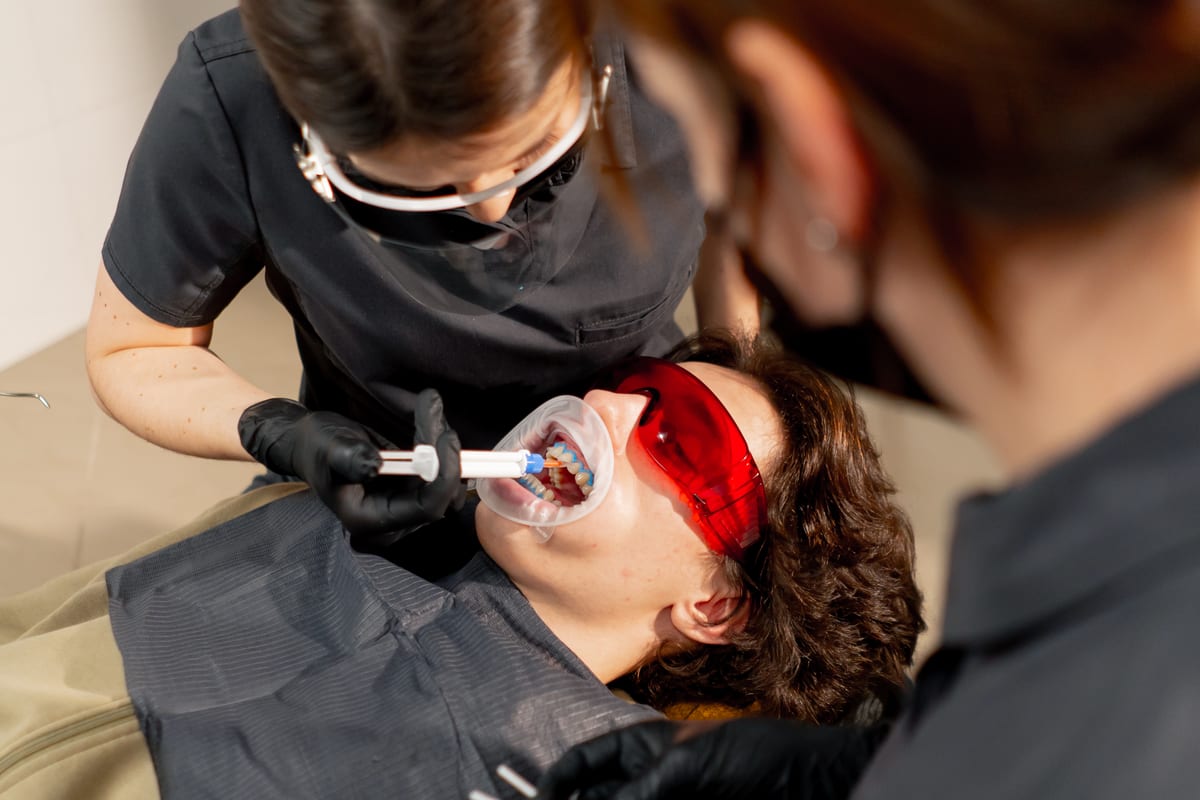
If you have tried whitening strips, trays, or professional treatments and still see stubborn discoloration, you are not alone. Many patients in Wharton, NJ ask the same question — why isn’t my teeth whitening working? The answer often comes down to the type of stain you have. Not all stains respond the same way to whitening products, and understanding why your teeth whitening isn’t working can help you find the right solution for lasting results.
Extrinsic Stains: The Surface Discoloration Whitening Can Treat
Extrinsic stains sit on the outer layer of your tooth enamel. These are the stains most people picture when they think about teeth discoloration. They form from contact with food, drinks, and habits over time.
Common causes of extrinsic stains include:
- Coffee, tea, and red wine
- Dark-colored sauces like soy sauce or tomato-based foods
- Tobacco use — both smoking and chewing
- Poor brushing habits that allow plaque buildup
- Certain acidic beverages that roughen enamel over time
The good news is that extrinsic stains typically respond well to professional Cosmetic Dentistry treatments. Whitening products use hydrogen peroxide or carbamide peroxide to break down surface pigments. With the right concentration and application time, these stains often lift significantly. Professional treatments deliver stronger results than over-the-counter options.
Intrinsic Stains: Why Whitening Doesn’t Always Work in Wharton
Intrinsic stains are a completely different story. These stains develop inside the tooth structure — within the dentin layer beneath your enamel. Whitening agents cannot easily penetrate deep enough to affect these stains. This is often the real reason your teeth whitening isn’t working, especially if you have tried multiple products without success.
Intrinsic stains commonly develop from:
- Tetracycline or other antibiotic use during tooth development
- Excessive fluoride exposure in childhood (fluorosis)
- Trauma or injury to a tooth that causes internal bleeding or nerve damage
- Natural aging, which thins enamel and reveals darker dentin underneath
- Certain genetic conditions affecting enamel formation
These stains require solutions that work differently than whitening. Your dentist needs to address the color from the outside of the tooth using restorative or cosmetic approaches. Dr. Ted Cho helps patients in Wharton, NJ identify exactly which type of stain they have before recommending a treatment plan.
The Right Alternatives When Whitening Falls Short
Once you understand why whitening hasn’t worked, the next step is choosing the right alternative. Several effective cosmetic and restorative treatments can address stains that bleaching simply cannot fix.
Dental Veneers are thin porcelain shells bonded to the front surface of your teeth. They completely mask discoloration, regardless of whether the stain is intrinsic or extrinsic. Veneers also improve tooth shape and size at the same time. They are a popular long-term solution for patients with tetracycline staining or severe fluorosis.
Dental Bonding uses a tooth-colored resin applied directly to the tooth surface. It covers staining effectively and costs less than veneers. Bonding works well for isolated discolored teeth or smaller areas of concern. It is also a faster procedure that typically completes in a single visit.
Dental Crowns fully encase a tooth that is severely discolored or structurally compromised. If a tooth darkened due to trauma or a root canal, a crown restores both appearance and function. Crowns provide a durable, natural-looking result that lasts many years.
If decay contributed to your discoloration, Emergency Dentistry or restorative care may need to come first. Treating the underlying issue before addressing cosmetics leads to better long-term outcomes.
How Dr. Ted Cho Evaluates Your Stains in Wharton
Choosing the right treatment starts with a proper diagnosis. Dr. Cho takes a thorough look at each patient’s teeth before recommending any whitening or cosmetic procedure. This evaluation helps determine whether stains are extrinsic, intrinsic, or a combination of both.
During your consultation, Dr. Cho will review your dental history and ask about medications you may have taken. He will also examine tooth color under proper lighting and may use digital imaging. This process ensures that patients in Wharton receive targeted solutions rather than generic advice.
Many patients discover that a combination approach works best. For example, professional whitening may treat most teeth while bonding or veneers address one or two stubborn problem areas. Customizing the plan to your specific situation makes a significant difference in outcomes.
Getting the right diagnosis also saves time and money. Spending more on whitening products that cannot address intrinsic stains is a frustrating and costly cycle. A single consultation often provides more clarity than months of trial and error at home.
What to Expect at Rockaway Dental Center
At Rockaway Dental Center, patient education comes first. Dr. Ted Cho and his team take time to explain what is causing your discoloration and why certain treatments will or will not work for your situation. You will leave your appointment with a clear plan and realistic expectations.
Here is what the process typically looks like for stain evaluation and treatment:
- Schedule a cosmetic consultation with Dr. Cho
- Discuss your whitening history and any treatments you have already tried
- Receive a clinical exam including tooth color mapping and X-rays if needed
- Review treatment options tailored to your stain type and goals
- Begin treatment — whether whitening, bonding, veneers, or a crown
Patients from Wharton and surrounding Morris County communities regularly visit Rockaway Dental Center for these services. The practice combines general dentistry expertise with cosmetic skill to deliver complete care under one roof. You do not need to visit multiple specialists to find answers.
Understanding why your teeth whitening isn’t working — and knowing what alternatives exist — puts you back in control of your smile. Book Now to schedule your appointment with our team.
Frequently Asked Questions
Why didn’t whitening strips work on my teeth?
Whitening strips only treat extrinsic stains on the surface of your enamel. If your discoloration is intrinsic — meaning it developed inside the dentin layer — strips cannot reach deep enough to make a difference. A dental evaluation will help determine which type of stain you have and what treatment will actually work.
Can veneers fix stains that whitening cannot treat?
Yes. Dental veneers are one of the most effective solutions for intrinsic stains, including those caused by tetracycline antibiotics or fluorosis. Because veneers cover the entire front surface of the tooth, they completely mask discoloration regardless of where the stain originates. Dr. Cho can discuss whether veneers are the right fit for your goals.
Is teeth whitening safe to try before seeing a dentist?
Over-the-counter whitening products are generally safe for surface stains. However, using strong whitening agents on sensitive or already-treated teeth can cause discomfort or uneven results. Seeing a dentist first helps you avoid wasting money on products that will not address your specific type of staining.
How long do cosmetic alternatives like bonding or veneers last?
Dental bonding typically lasts five to ten years with proper care. Porcelain veneers generally last ten to fifteen years or longer. Both options require regular brushing, flossing, and dental checkups to maintain their appearance. Avoiding habits like nail biting or chewing ice also extends their lifespan significantly.
Can a single tooth that turned gray after an injury be whitened?
A tooth that darkened after trauma usually has internal staining from blood pigments or nerve tissue breakdown. Standard whitening will not correct this effectively. Internal bleaching performed by a dentist or a dental crown placed over the tooth are the most reliable solutions. Dr. Cho can evaluate the tooth and recommend the best approach for your situation.