$149 New Patient Special


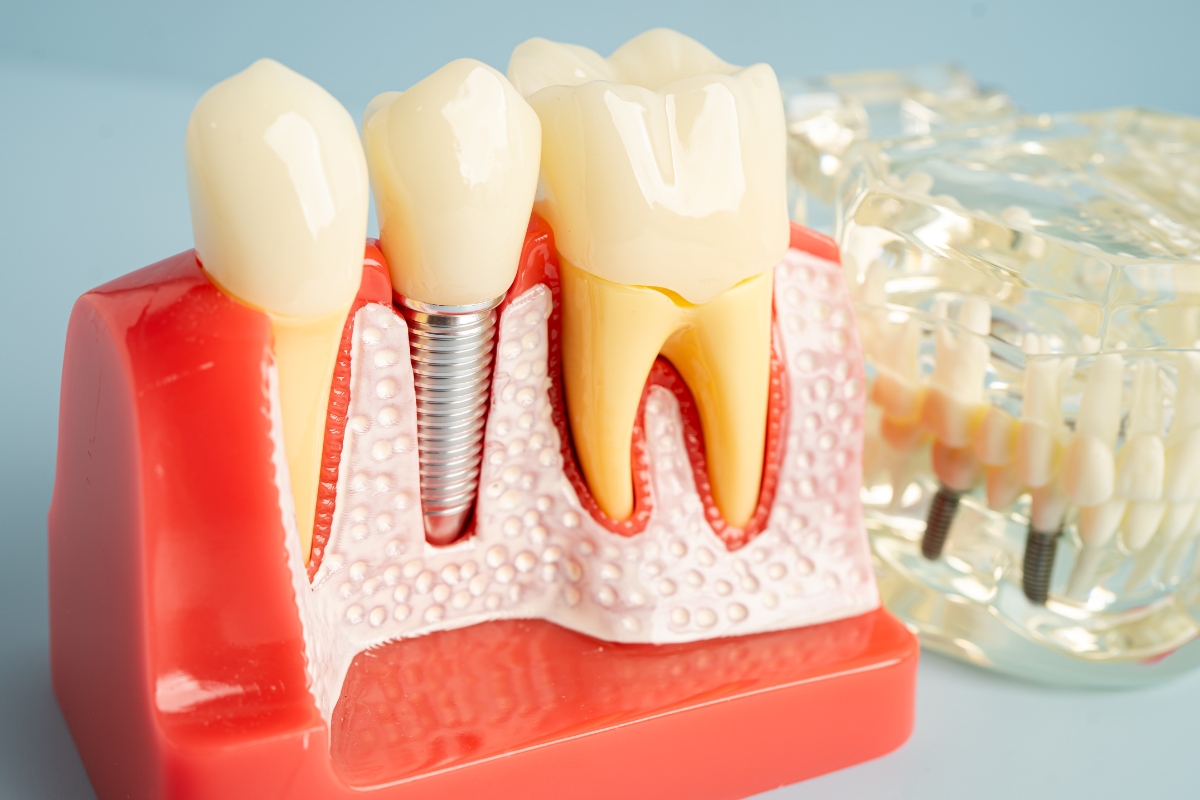
When faced with a severely damaged or infected tooth, you may wonder whether it is better to get a root canal or simply have the tooth extracted. While both procedures have their place in dentistry, the goal is always to preserve your natural tooth whenever possible. A root canal is a procedure that removes infection and preserves the tooth, allowing you to keep your natural smile.
Removing a tooth is a significant decision, as the gap left behind can lead to a range of complications. This may include shifting of nearby teeth, difficulty chewing, and potential bone loss in the jaw. On the other hand, a root canal can save your tooth and keep your smile intact. In this blog, we will explore why saving your natural tooth with a root canal is often the best choice, and why it’s crucial to consider this treatment before opting for extraction.
Understanding the Root Canal Procedure
A root canal is a dental treatment designed to remove infected or damaged tissue from inside a tooth. The procedure involves accessing the tooth’s pulp, which contains nerves and blood vessels, and cleaning out the infected area. Afterward, the tooth is sealed to prevent future infection. The process is typically performed under local anesthesia, so patients remain comfortable throughout the treatment.
One of the main reasons for considering a root canal in Rockaway, NJ, is to save the tooth. Without this procedure, an infected tooth could worsen, leading to further pain, abscesses, or even bone loss. By removing the infection and sealing the tooth, you can restore its function and avoid more complex dental procedures later on.
The Benefits of Saving Your Tooth
There are many advantages to saving your natural tooth through a root canal rather than opting for an extraction. Here are some key benefits:
- Preserving Tooth Structure: A root canal maintains the integrity of your natural tooth, which is always preferable to losing a tooth and replacing it with a dental implant or bridge.
- Preventing Shifting Teeth: When a tooth is extracted, the neighboring teeth can shift, affecting your bite and overall tooth alignment. A root canal keeps your teeth in place, preventing these shifts.
- Maintaining Functionality: Your natural tooth plays a crucial role in your ability to chew and speak comfortably. Saving the tooth with a root canal ensures you can continue performing these functions without difficulty.
- Avoiding Bone Loss: The roots of teeth help stimulate the jawbone, keeping it healthy. When a tooth is extracted, this stimulation is lost, leading to bone loss over time. Root canals help maintain bone density by preserving the tooth’s root.
When Extraction Might Be the Right Option
While saving your tooth is always the goal, there are circumstances in which extraction may be necessary. If the tooth is too damaged to repair or the infection has spread too far, extraction might be the only viable option. A tooth that’s severely decayed or broken may not be able to support a root canal, and in such cases, removal is often the best choice for long-term oral health.
In many situations, a dentist will try to save the tooth, especially if it is a front tooth or one that plays a crucial role in chewing. With advances in modern dentistry, root canal treatments are more effective and comfortable, making them a preferred option for saving a tooth.
Make the Smart Choice for Your Dental Health
Choosing a root canal over an extraction offers numerous benefits, from preserving your natural tooth to maintaining your jawbone’s health. Root canals not only save you from the more invasive procedures of tooth replacement, but they also help ensure that your smile remains intact and your bite stays balanced. Additionally, preserving your natural tooth allows for a long-term solution compared to the need for dental implants or bridges later on.
If you are dealing with a damaged or infected tooth, a root canal may be the answer. At Rockaway Dental Center, we are committed to offering you the best solutions for your dental needs. Do not wait until the situation worsens. Contact us today to schedule a consultation and learn how we can help preserve your smile.
FAQs
- What is a root canal?
A root canal is a dental procedure where the infected pulp inside a tooth is removed and replaced with a filling, preventing further damage and infection. This procedure helps save the tooth and restore its function, avoiding the need for extraction. - Is a root canal painful?
No, root canals are performed under local anesthesia to numb the area, ensuring minimal discomfort during the procedure. Most patients experience little to no pain, and any discomfort afterward is usually manageable with over-the-counter pain relief. - How long does a root canal take?
Most root canals take about one to two hours, depending on the tooth’s complexity and condition. The time can vary based on the tooth being treated, but it’s generally a straightforward procedure that doesn’t take too long. - What should I expect after a root canal?
After a root canal, mild discomfort or soreness in the treated area is normal. This usually lasts for a few days and can be managed with over-the-counter pain relievers. Any discomfort should subside as healing progresses. - Can a root canal fail?
Though rare, a root canal can fail if the infection recurs or if the tooth isn’t appropriately sealed after treatment. Regular checkups and good oral hygiene are essential to monitor the procedure’s success and prevent complications. - How long will a tooth last after a root canal?
A tooth treated with a root canal can last many years or even a lifetime with proper care. Regular dental visits, good oral hygiene practices, and avoiding excessive stress on the tooth can help ensure its longevity.