$99 Emergency Exam (Includes X-rays & Diagnosis)

If you’ve noticed your teeth feeling different lately, you’re not imagining it. Understanding why your teeth change after 60—and what to do about it in Rockaway—is one of the most important conversations we have with our patients at Rockaway Dental Center. Aging brings real, measurable changes to your oral health. The good news is that Dr. Ted Cho and our team are here to help you navigate every one of them.
How Aging Affects Your Mouth in Rockaway
After age 60, your body changes in ways that directly impact your teeth and gums. Saliva production often decreases, enamel becomes thinner, and gum tissue starts to pull back. These shifts don’t happen overnight, but they add up quickly.
Many seniors in Rockaway take multiple medications for blood pressure, cholesterol, or other conditions. A common side effect of those medications is dry mouth. Without enough saliva, your teeth lose a key natural defense against bacteria and decay.
Dry mouth isn’t just uncomfortable. It dramatically increases your risk of cavities, especially at the gumline. That type of decay—called root decay—is one of the most common dental problems we see in patients over 60.
Dry Mouth and Root Decay: What Seniors Should Know
Root decay happens when the root surface of a tooth becomes exposed due to gum recession. Unlike enamel, root surfaces are softer and more vulnerable. Bacteria move in fast when saliva isn’t there to wash them away.
Here are some common signs that dry mouth may be affecting your oral health:
- Persistent bad breath that doesn’t improve with brushing
- Difficulty chewing or swallowing dry foods
- A sticky or burning feeling inside your mouth
- Cavities forming near the gumline or on tooth roots
- Cracked or chapped lips frequently
If you recognize any of these signs, bring them up at your next visit. Dr. Cho can recommend prescription-strength fluoride treatments, special rinses, or other protective measures. Early action makes a significant difference.
Gum Recession and Why It Gets Worse With Age
Gum recession is another major concern for patients over 60. When gum tissue pulls away from the tooth, it exposes sensitive root surfaces. That exposure leads to sensitivity, decay risk, and—if left untreated—tooth loss.
Several factors accelerate gum recession in older adults. These include years of aggressive brushing, past gum disease, grinding habits, and natural tissue thinning. You may not even feel it happening until significant recession has occurred.
Regular dental checkups are your best protection. Dr. Cho monitors gum levels at every visit and can catch recession early. When caught soon enough, many patients avoid more invasive treatment entirely.
Keeping your gums healthy also protects your overall health. Research consistently links gum disease to heart disease, diabetes complications, and other systemic conditions. Senior patients have even more reason to prioritize their gum health.
Tooth Loss, Dentures, and Dental Implants After 60
Tooth loss becomes more common with age, but it’s never inevitable. Many patients who lose teeth assume dentures are their only option. At Rockaway Dental Center, we want you to know that dental implants are often a realistic and superior alternative.
Dental implants function like natural tooth roots. They preserve jawbone density, prevent the face from sinking inward, and allow you to eat and speak without restrictions. Many patients over 60—and even over 70—are excellent implant candidates.
Here’s what makes implants worth considering for seniors:
- They don’t shift or slip the way dentures can
- They stimulate the jawbone and prevent bone loss
- They require no adhesives or nightly removal
- They can last decades with proper care
- They support neighboring teeth by filling the gap
If you’ve been told you’re not a candidate in the past, it’s worth a second opinion. Bone grafting and other advances have made implants accessible to many patients who were previously turned away. Dr. Cho will evaluate your bone density, gum health, and medical history to determine what works best for you.
Cosmetic and Restorative Options for Older Patients in Rockaway
Looking and feeling your best doesn’t stop at 60. Many of our patients seek Cosmetic Dentistry solutions to address staining, worn edges, or chipped teeth that have accumulated over a lifetime. Teeth whitening, dental bonding, and veneers are all effective options depending on your goals and tooth condition.
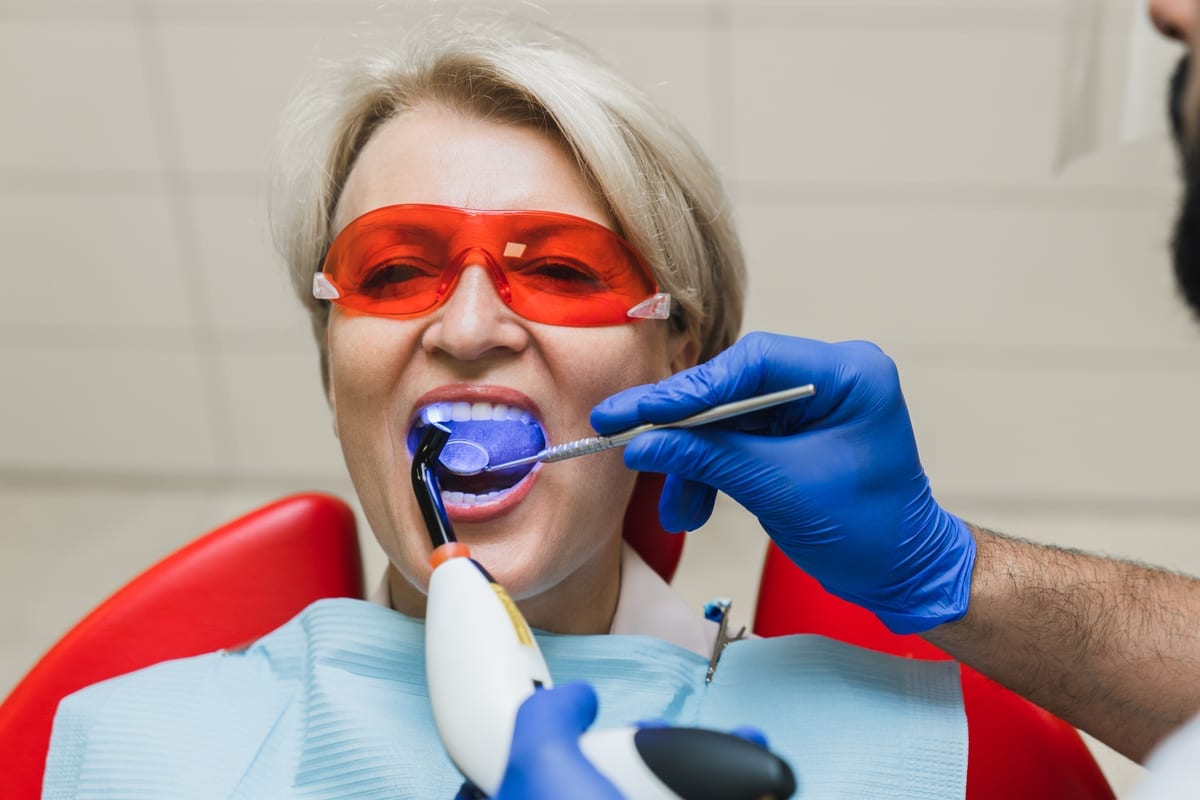
Restorative options like dental crowns protect weakened or cracked teeth. If a tooth has been damaged by decay or old fillings, a crown can restore its strength and appearance. Root canal treatment saves teeth that might otherwise need extraction.
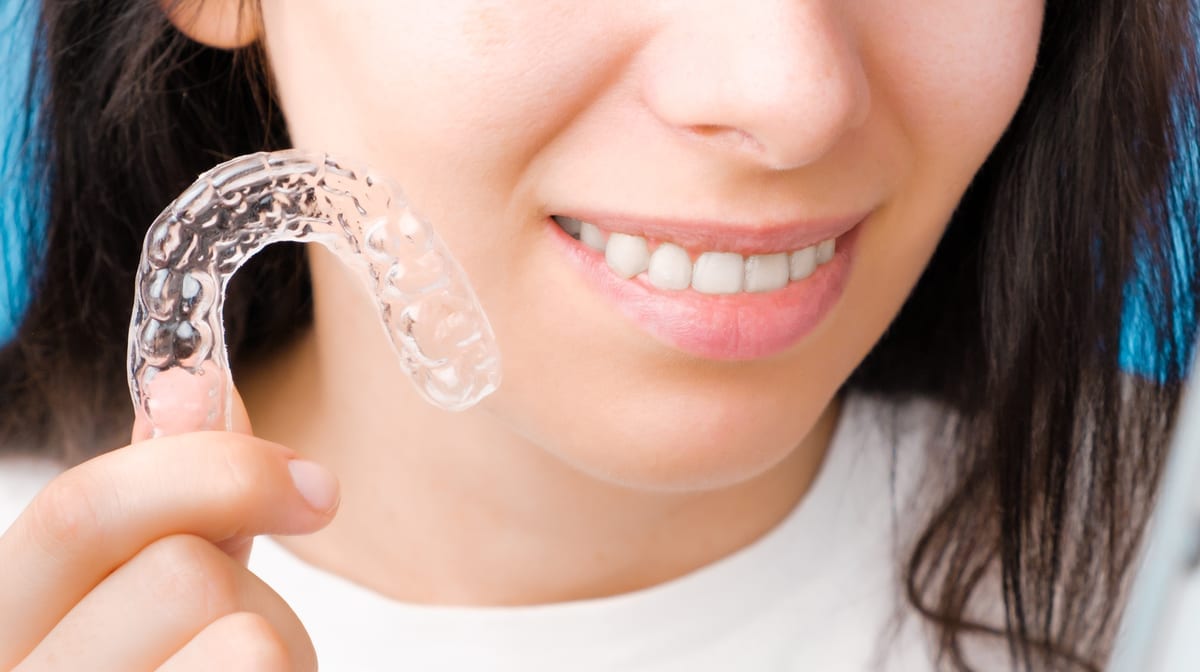
Invisalign is also available for older adults who want straighter teeth without metal braces. Crowding and shifting can worsen with age, so alignment treatment isn’t just cosmetic—it can improve bite function and make cleaning easier.
Whatever your concern, there is almost always a solution. Our goal is to preserve your natural teeth as long as possible and replace what can’t be saved with something just as functional.
When to Seek Urgent Care for Dental Problems
Pain, swelling, or a broken tooth can happen at any age. Seniors sometimes delay seeking care because they assume certain discomforts are just part of getting older. They’re not. Dental pain is always worth addressing promptly.
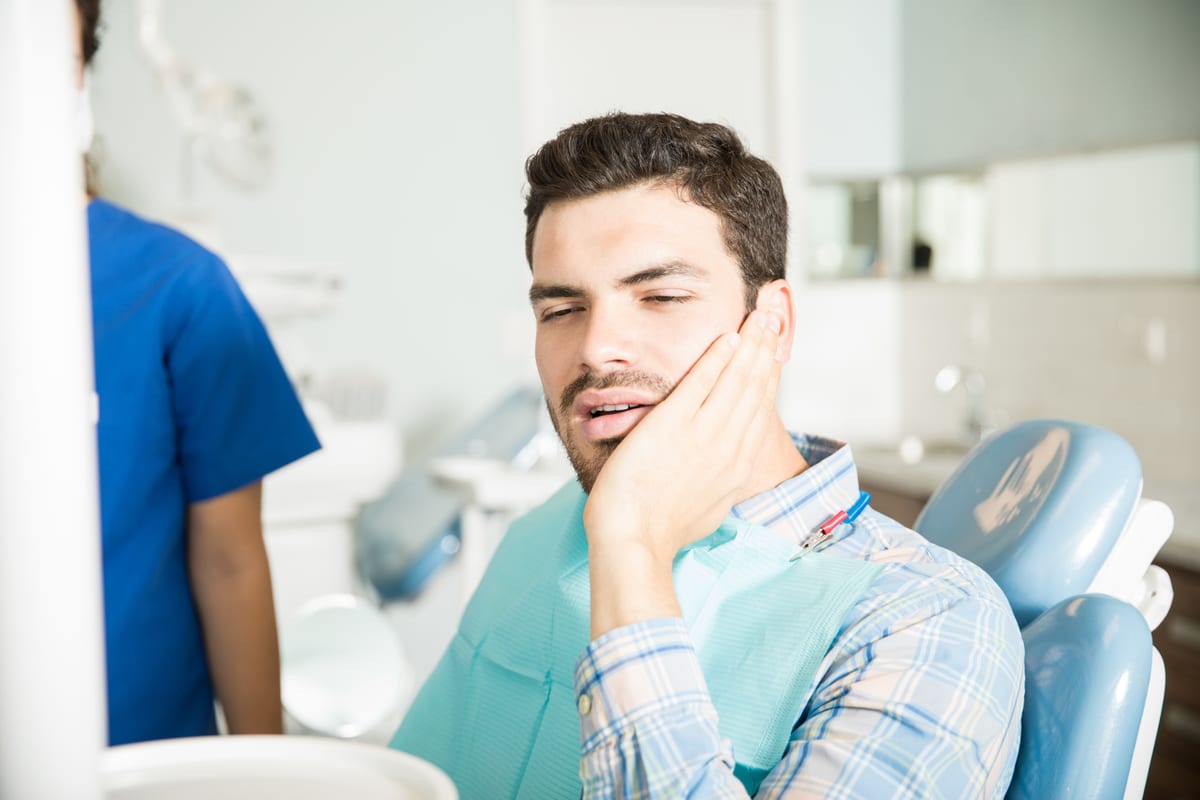
If you experience sudden tooth pain, a knocked-out crown, or facial swelling, that’s a dental emergency. Our team provides Emergency Dentistry services for patients who need urgent attention. Don’t wait and hope it resolves on its own.
Infections in the mouth can spread quickly, especially in patients with compromised immune systems. Older adults are more susceptible to complications from untreated dental infections. Acting early keeps a manageable problem from becoming a serious one.
Building a Senior-Friendly Dental Routine at Home
Great dental outcomes start at home. Seniors need a routine that accounts for the specific changes happening in their mouths. A few targeted adjustments can make a meaningful difference in your long-term oral health.
Here are daily habits Dr. Cho recommends for patients over 60:
- Use a soft-bristled toothbrush to avoid further gum recession
- Brush twice daily with fluoride toothpaste, including along the gumline
- Floss daily or use a water flosser if arthritis makes traditional flossing difficult
- Rinse with an alcohol-free mouthwash to avoid worsening dry mouth
- Drink plenty of water throughout the day to counteract dry mouth
- Chew sugar-free gum with xylitol to stimulate saliva production
If you wear partial or full dentures, clean them daily and remove them overnight. Bacteria accumulate on denture surfaces just as they do on natural teeth. Keeping dentures clean protects your gum tissue and remaining teeth.
Partnering With Dr. Ted Cho for Long-Term Oral Health
Aging well means staying proactive. At Rockaway Dental Center, Dr. Ted Cho takes a personalized approach to senior dental care. He listens, explains options clearly, and helps you make informed decisions that fit your lifestyle and goals.
Whether you’re managing dry mouth from medications, exploring dental implants, or simply want to make sure your smile stays healthy, we’re here for you. Patients throughout Rockaway, NJ trust our team for compassionate, expert care at every stage of life.
You don’t have to accept tooth loss, discomfort, or embarrassment as a normal part of aging. With the right care plan, your smile can stay strong, functional, and confident well into your later years. Book Now to schedule your appointment with our team.
Frequently Asked Questions
Why do teeth get more sensitive as we age?
Enamel thins over time and gum tissue recedes, exposing the softer root surface underneath. That root surface is far more sensitive to temperature and pressure. Dry mouth—common in seniors taking multiple medications—also reduces saliva’s buffering effect, increasing sensitivity and decay risk.
Are dental implants safe for patients over 60 or 70?
Yes, age alone is not a disqualifying factor for dental implants. Dr. Cho evaluates each patient individually, looking at jawbone density, overall health, and gum condition. Many older adults are excellent candidates, and bone grafting can help those who have experienced bone loss.
How can I manage dry mouth caused by my medications?
Stay well hydrated throughout the day and use an alcohol-free mouth rinse. Sugar-free gum with xylitol stimulates saliva flow. Dr. Cho may also recommend prescription fluoride treatments to protect teeth that are more vulnerable due to reduced saliva. Always inform your dentist about all medications you take.
How often should seniors visit the dentist?
Most adults over 60 benefit from dental visits every six months. However, patients with gum disease, dry mouth, or a history of frequent cavities may need more frequent checkups. Dr. Cho will recommend a schedule based on your specific oral health needs.
Can seniors still get teeth whitening or cosmetic treatments?
Absolutely. Teeth whitening, veneers, dental bonding, and other cosmetic options are available to patients of all ages. The key is ensuring your gums and underlying teeth are healthy before pursuing cosmetic work. Dr. Cho will assess your oral health first and recommend the safest and most effective approach for your goals.