$99 Emergency Exam (Includes X-rays & Diagnosis)
Choosing between Invisalign and traditional braces is one of the most common questions we hear at Rockaway Dental Center. Many patients in Rockaway want straighter teeth but aren’t sure which path is right for them. Whether your smile needs a minor adjustment or a more complex correction, the answer depends on your specific dental situation. Understanding what each treatment can — and cannot — fix helps you make a confident, informed decision.
So, is your smile a good fit for Invisalign or traditional braces in Rockaway? Let’s break it down clearly and help you find the answer.
What Invisalign Can Fix: Common Candidacy Conditions
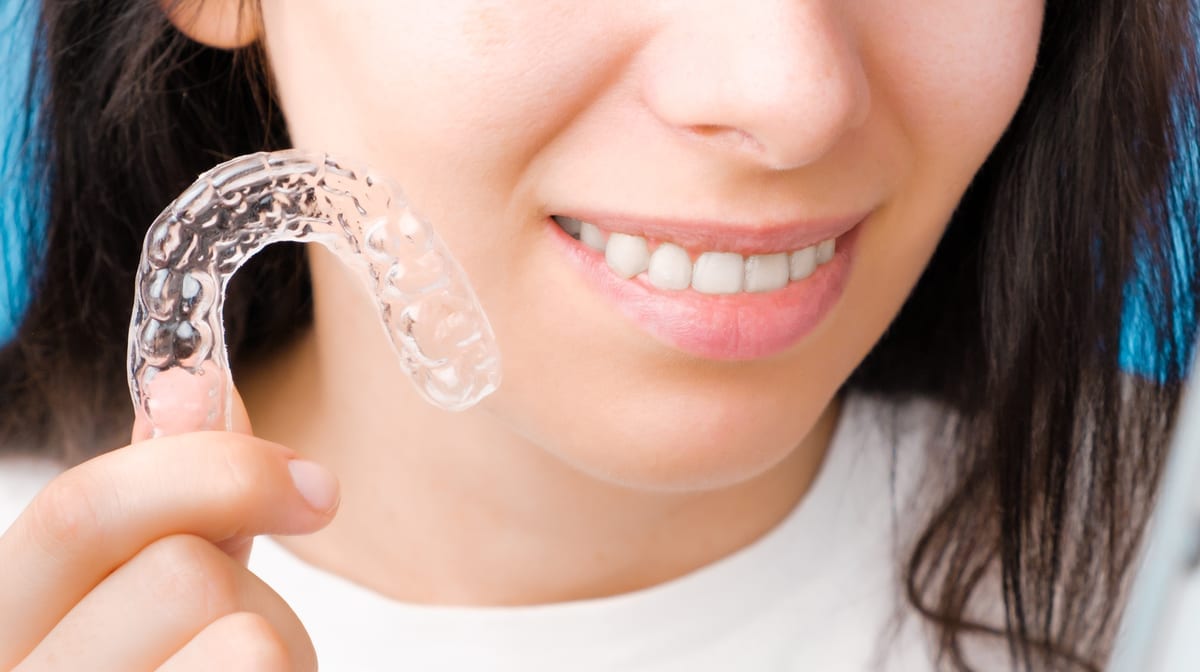
Invisalign uses a series of clear, removable aligners to gradually shift your teeth. It works well for a wide range of mild to moderate alignment issues. Dr. Ted Cho evaluates each patient individually to determine the best treatment path.
Invisalign is often an excellent option for the following conditions:
- Mild to moderate crowding — when teeth overlap slightly due to limited space
- Spacing issues — gaps between teeth that affect appearance or bite function
- Mild overbite — when upper teeth extend too far over lower teeth
- Mild underbite — when lower teeth sit in front of upper teeth
- Crossbite — when some upper teeth sit behind lower teeth
- Open bite — when upper and lower teeth don’t meet when closing
Invisalign has advanced significantly over the years. Modern aligners can now address more complex cases than earlier versions could handle. Still, there are limits to what clear aligners can achieve on their own.
When Traditional Braces Are the Better Choice in Rockaway
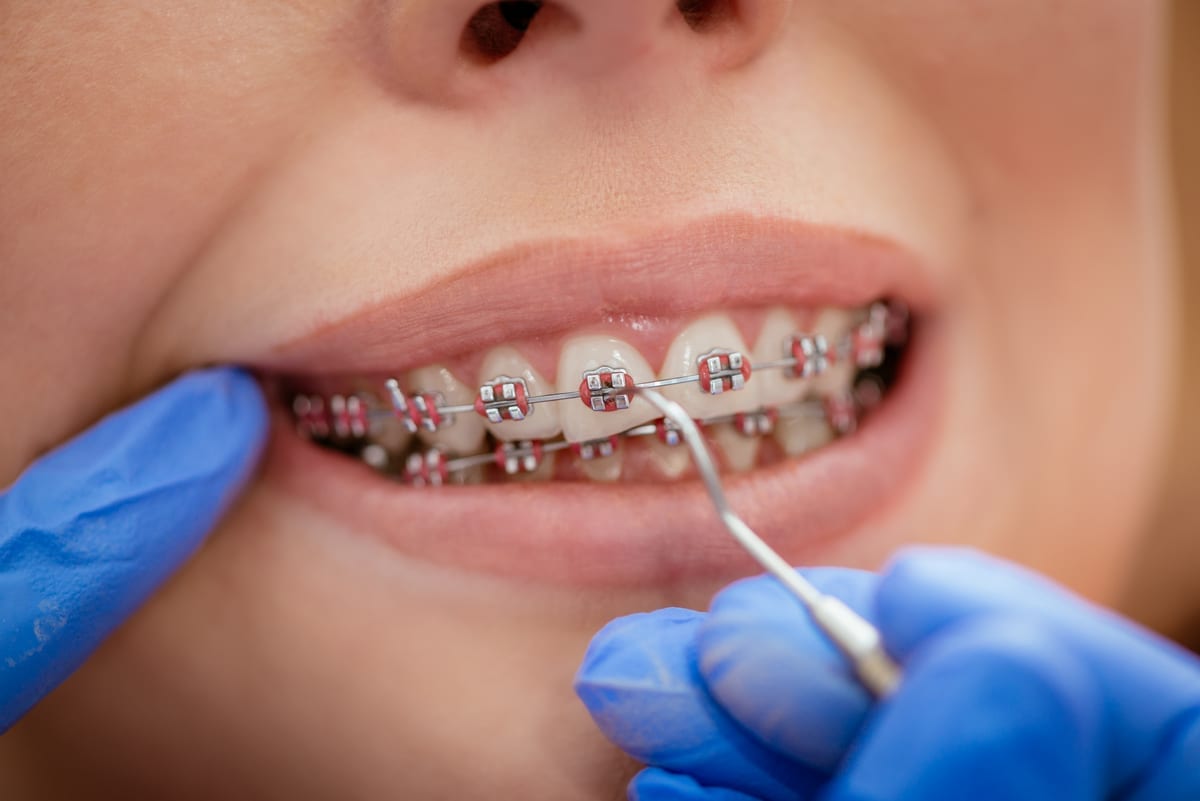
Traditional braces use metal brackets and wires to apply consistent, precise pressure on teeth. They give Dr. Cho more control over complex tooth movements. For certain bite and alignment problems, braces simply deliver better results.
Braces tend to outperform Invisalign in these specific situations:
- Severe crowding — when multiple teeth need significant repositioning
- Serious overbite or underbite — cases requiring stronger corrective force
- Rotated teeth — teeth that have twisted significantly off their axis
- Vertical tooth movement — moving teeth up or down in the jaw
- Large gaps — spacing issues too wide for clear aligners to close predictably
- Younger patients — teens who may struggle with aligner compliance
Braces work continuously because they are fixed in place. Patients don’t need to remember to wear them for the recommended 20 to 22 hours per day. This makes them a more reliable option for patients who might struggle with aligner discipline.
Crowding and Spacing: What Each Treatment Handles Best
Crowding and spacing are the two most common reasons patients seek orthodontic treatment. Both Invisalign and braces can address these issues — but the severity matters greatly. Mild crowding or small gaps often respond well to Invisalign. Moderate to severe crowding usually calls for traditional braces.
Spacing concerns are similar. A single small gap between front teeth is a strong candidate for Invisalign. Multiple gaps spread across the arch may require braces for more predictable closure. Dr. Cho will measure the degree of spacing during your evaluation and recommend accordingly.
It’s also worth noting that tooth shape and size affect treatment outcomes. Some patients have naturally small teeth with wide spacing. Others have large teeth packed into a narrow jaw. These structural factors influence which treatment will achieve the most stable, long-lasting result.
Bite Problems: Overbite, Underbite, and Beyond
Bite alignment issues — called malocclusions — vary widely in type and severity. A mild overbite is one of the most common conditions Invisalign corrects effectively. Invisalign uses special attachments and precision bite ramps to guide the upper and lower jaws into better alignment.
Underbites are generally more challenging to treat. Mild underbites may respond to Invisalign, especially in younger patients whose jaws are still developing. Severe underbites often require braces, and sometimes jaw surgery is discussed alongside orthodontic care. Dr. Cho will be honest about which option gives you the most realistic outcome.
Crossbites and open bites can sometimes be addressed with Invisalign using specialized attachments. However, more complex versions of these bite problems typically respond better to the precise control that braces provide. Getting a thorough evaluation is the only reliable way to know which applies to your situation.
Lifestyle Factors That Influence Your Decision
Beyond clinical candidacy, your daily lifestyle plays a role in choosing the right treatment. Invisalign aligners are removable, making them popular with working adults and image-conscious patients. You can eat without restrictions and brush your teeth normally. This flexibility is a meaningful benefit for many Rockaway patients.
However, that flexibility comes with responsibility. Aligners must stay in your mouth for at least 20 to 22 hours daily to work as planned. Skipping wear time slows your progress and can affect results. Patients who are motivated and consistent tend to get excellent outcomes with Invisalign.
Traditional braces require no willpower to wear — they stay on until Dr. Cho removes them. Food restrictions apply, and cleaning around brackets takes extra care. But for complex cases or patients who prefer a set-it-and-forget-it approach, braces offer reliable, steady progress.
How Dr. Ted Cho Evaluates Invisalign Candidacy
At Rockaway Dental Center, every orthodontic consultation begins with a comprehensive evaluation. Dr. Cho reviews your dental X-rays, photographs, and bite measurements. He examines the severity of crowding, spacing, and any bite misalignment you have.
This evaluation helps answer the core question: is your smile a good fit for Invisalign or traditional braces in Rockaway? There is no one-size-fits-all answer. Some patients are clear Invisalign candidates. Others need braces for reliable results. A small group benefits from a combination of approaches.
Dr. Cho walks you through his findings and explains what each option involves. You leave the consultation with a clear picture of your choices and realistic expectations for your outcome. The goal is always to match the right treatment to your specific smile — not to push any particular product.
Conclusion: Finding the Right Fit for Your Smile
Both Invisalign and traditional braces can transform your smile when matched to the right case. The best choice depends on the severity of your alignment issues, your bite, your lifestyle, and your personal preferences. No article can replace a professional evaluation — but understanding the basics helps you come prepared.
Dr. Ted Cho and the team at Rockaway Dental Center are here to guide Rockaway patients through every step of this decision. You deserve clear answers and a treatment plan built around your actual needs. Book Now to schedule your appointment with our team.
Frequently Asked Questions
Can Invisalign fix severe crowding?
Invisalign works best for mild to moderate crowding. Severe crowding — where teeth significantly overlap or are deeply rotated — usually responds better to traditional braces. Dr. Cho will assess the degree of crowding during your evaluation and recommend the most effective option for your case.
Is Invisalign as effective as braces for overbites?
For mild to moderate overbites, Invisalign can be quite effective, especially with the use of precision attachments and bite ramps built into the aligners. Severe overbites often require the stronger, more controlled force that traditional braces provide. The best way to know is through a clinical evaluation with Dr. Cho.
How long does Invisalign treatment take compared to braces?
Invisalign treatment typically ranges from 6 to 18 months for mild to moderate cases. Traditional braces often take 18 to 24 months, especially for more complex corrections. Your actual treatment timeline depends on the severity of your alignment issues and how consistently you follow your treatment plan.
At what age can someone start Invisalign?
Invisalign offers teen-specific aligners designed for younger patients whose teeth are still developing. Most orthodontic providers recommend waiting until the permanent teeth have fully come in, usually around age 12 to 14. Adults of any age can be good candidates for Invisalign, provided their gums and bone structure are healthy.
What happens if I’m not a good Invisalign candidate?
If Invisalign is not the right fit for your smile, Dr. Cho will explain why and present alternatives such as traditional braces. The goal is always to achieve the best possible outcome for your specific dental needs. No patient should feel limited — there is an effective path forward for every smile.