$99 Emergency Exam (Includes X-rays & Diagnosis)
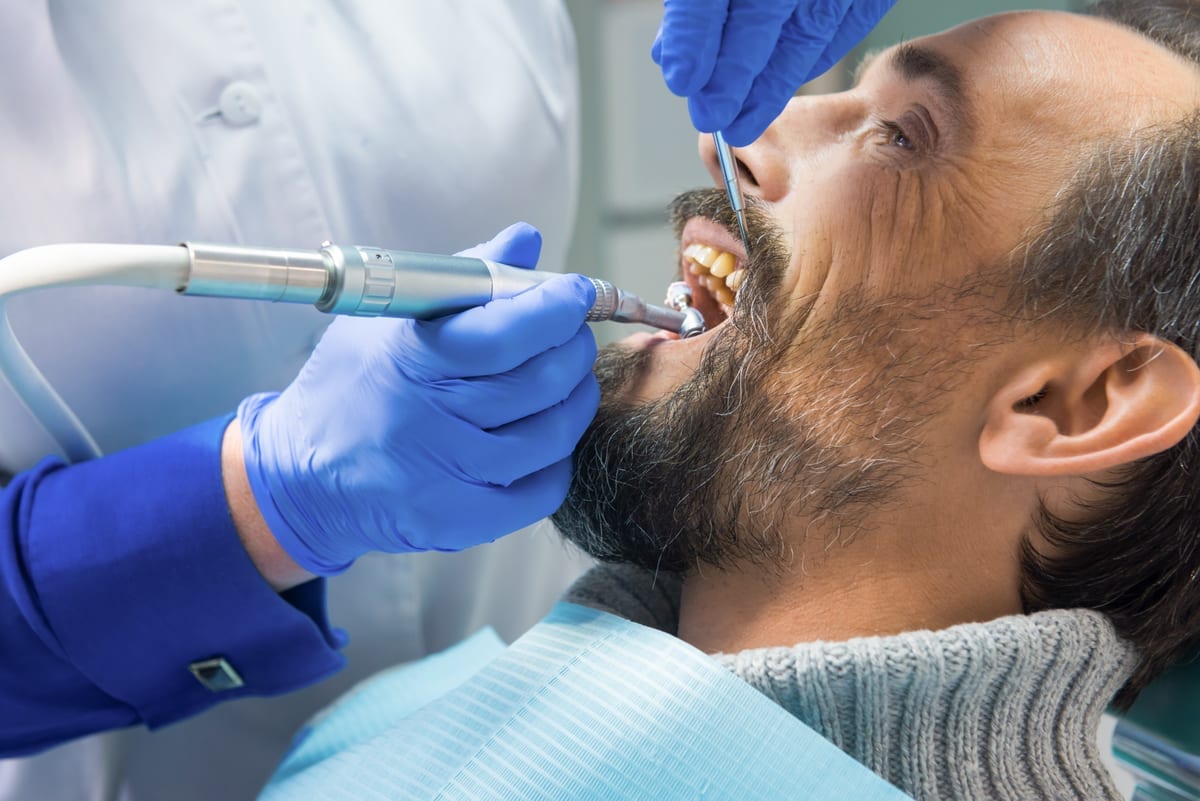
You just finished your root canal. The pain is gone, and you feel relieved. But your dentist tells you the job isn’t done yet. Many Rockaway patients are surprised to learn that a crown is almost always the essential final step. Understanding why your root canal isn’t complete without a crown in Rockaway helps you protect your investment — and your tooth — for the long term.
What Happens to a Tooth After a Root Canal?
A root canal removes the infected pulp from inside your tooth. This pulp contains nerves and blood vessels that once kept the tooth alive. Once that tissue is gone, the tooth loses its internal moisture supply. It becomes brittle and far more vulnerable to cracking.
Think of a root-canal-treated tooth like a dried-out twig. Fresh wood bends. Dry wood snaps. Your tooth behaves the same way under the pressure of chewing. Without protection, even normal biting forces can fracture it.
Dr. Ted Cho at Rockaway Dental Center sees this pattern regularly. Patients who skip the crown often return months later with a cracked or broken tooth. At that point, saving the tooth becomes much harder — or sometimes impossible.
Why a Crown Is the Necessary Next Step in Rockaway
A dental crown fits over the entire visible portion of your treated tooth. It acts like a helmet, absorbing chewing forces and preventing fractures. This is not optional for most teeth — it is a clinical necessity.
Back teeth — your molars and premolars — take the heaviest bite pressure. These are also the teeth most often treated with root canals. Protecting them with a crown is especially critical. Front teeth occasionally get away without crowns, but your dentist will evaluate each case individually.
Here are the key reasons a crown completes your root canal treatment:
- Fracture protection: Crowns shield brittle, treated teeth from cracking under normal chewing forces.
- Seal against reinfection: A crown covers the access point your dentist used during the root canal, blocking bacteria from re-entering.
- Restored function: You can chew normally and confidently again without fear of damaging the tooth.
- Preserved tooth structure: A crown keeps your natural tooth in place, avoiding extraction and further complications.
- Long-term durability: A properly placed crown can last 10 to 15 years or longer with good care.
What Happens If You Skip the Crown?
Leaving a root-canal-treated tooth without a crown is a gamble that rarely pays off. The tooth sits unprotected every time you eat. Even soft foods can cause stress fractures over time. A vertical crack through the root often means the tooth must be removed entirely.
Tooth loss creates its own set of problems. Neighboring teeth shift toward the gap. Your bite changes. Bone loss in the jaw begins. You may eventually need more extensive treatment — such as a dental implant or bridge — to restore the missing tooth.
If a dental emergency does arise from a neglected tooth, our team offers Emergency Dentistry Rockaway patients can rely on. But preventing that situation with a crown is always the smarter path.
There is also the issue of reinfection. The temporary filling placed after your root canal is not a permanent seal. Bacteria can seep back in over time. A crown locks that entry point closed and keeps your treated tooth healthy.
What to Expect at Your Crown Appointment
Getting a crown after a root canal is a straightforward process. Most patients complete it in one or two visits. Here is a general overview of what happens:
- Tooth preparation: Dr. Cho gently reshapes the outer surface of your tooth. This creates space for the crown to fit properly without feeling bulky.
- Impressions or digital scans: We capture precise measurements of your tooth. These guide the creation of your custom crown.
- Temporary crown placement: A temporary crown protects your tooth while the permanent one is crafted.
- Permanent crown placement: At your follow-up visit, we remove the temporary crown and bond the permanent one securely in place.
- Bite check and adjustments: Dr. Cho checks your bite carefully. Minor adjustments ensure the crown feels natural and comfortable.
Modern crowns are designed to match your natural tooth color. Most patients leave the office with a crown that blends seamlessly into their smile. No one will know the difference.
Choosing the Right Crown Material in Rockaway
Not all crowns are created equal. The material your dentist recommends depends on where the tooth sits in your mouth. Porcelain crowns offer a beautiful, natural appearance. They work especially well for front teeth or teeth visible when you smile.
Porcelain-fused-to-metal crowns add extra strength. They suit back teeth that endure heavier chewing forces. Full zirconia crowns are another strong, tooth-colored option growing in popularity. Dr. Cho will walk you through the best choice for your specific situation.
If aesthetics are important to you, a crown can also be an opportunity to enhance your smile. Our team offers a full range of Cosmetic Dentistry Rockaway patients trust for beautiful, lasting results.
Whatever material you choose, the goal is the same — a crown that functions perfectly and looks natural for years to come.
Caring for Your Crown After Treatment
A crown is durable, but it still requires proper care. Treat it like a natural tooth. Brush twice daily and floss carefully around the crown margin. This prevents gum disease and decay at the base of the crown.
Avoid habits that stress crowns unnecessarily. These include chewing ice, grinding your teeth, or using your teeth as tools. If you grind at night, ask Dr. Cho about a custom night guard. It protects both your crown and your surrounding teeth.
Regular checkups at Rockaway Dental Center allow Dr. Cho to monitor your crown over time. Early detection of any wear or loosening keeps small issues from becoming big ones.
Conclusion: Complete Your Root Canal the Right Way
A root canal alone solves the infection — but a crown solves the whole problem. It protects your weakened tooth, prevents reinfection, and restores full function. Skipping the crown puts everything your root canal achieved at risk. Dr. Ted Cho and the team at Rockaway Dental Center are here to guide every Rockaway patient through each step of the process with care and expertise. Book Now to schedule your appointment with our team.
Frequently Asked Questions
How soon after a root canal do I need a crown?
Most dentists recommend placing a crown within a few weeks of your root canal. The tooth is vulnerable during that window. A temporary restoration protects it in the meantime, but it is not a long-term solution. Talk to Dr. Cho about scheduling your crown appointment promptly.
Is getting a crown painful?
No. The crown placement procedure is performed under local anesthesia. You should feel no pain during the appointment. Some mild sensitivity around the gum line is normal for a day or two afterward. Over-the-counter pain relievers are usually all that is needed.
Can any tooth skip the crown after a root canal?
Occasionally, a front tooth with minimal structural damage can be restored with a filling or bonding instead of a crown. However, back teeth almost always require crowns due to the heavy forces they endure. Dr. Cho evaluates each tooth individually and recommends the best option for your situation.
How long does a dental crown last?
With proper care, a dental crown typically lasts 10 to 15 years or more. Regular brushing, flossing, and dental checkups extend its lifespan significantly. Avoiding habits like chewing ice or grinding your teeth also helps your crown last as long as possible.
What happens if my root-canal-treated tooth cracks before I get a crown?
A cracked tooth after a root canal is a dental emergency. The crack can extend down into the root, making the tooth unrestorable. Contact Rockaway Dental Center right away if this happens. Acting quickly gives Dr. Cho the best chance of saving the tooth before extraction becomes necessary.